What Is a QR Code Menu and How It Works for Restaurants
Introduction to the QR Code Menu Concept
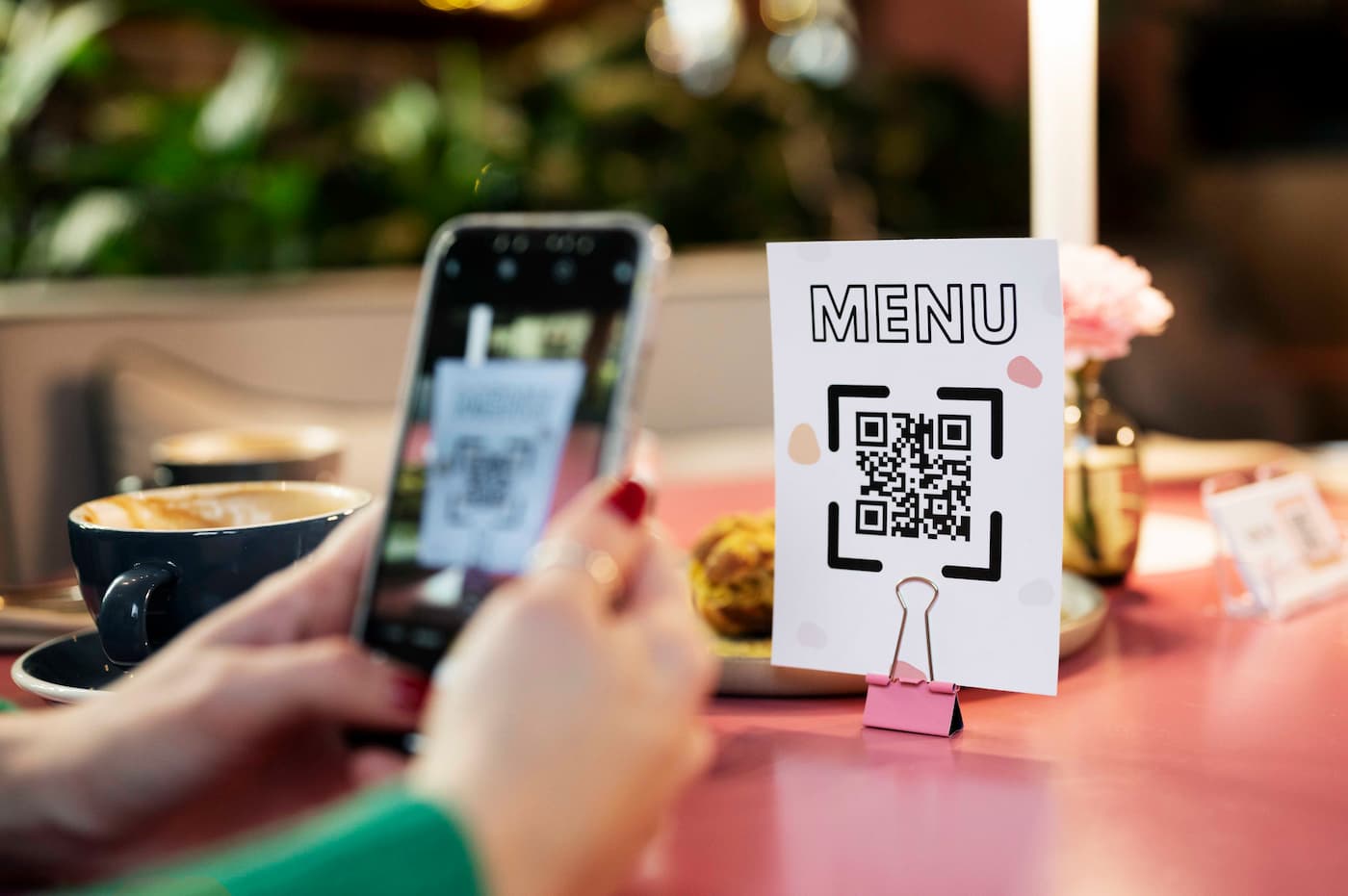
A qr code menu is a digital version of a restaurant menu that customers can access by scanning a Quick Response (QR) code using their smartphone. Instead of receiving a printed menu, guests simply point their phone camera at the code placed on a table, wall, or receipt and instantly view the menu online.
Over the past few years, the qr menu has transformed from a convenience feature into an essential tool for restaurants. Health concerns, rising printing costs, and the growing demand for contactless services have all contributed to the popularity of qr code menus. Today, restaurants of all sizes—from small cafés to large dining chains—use this technology to enhance efficiency and customer satisfaction, especially with the rise of contactless QR code menus.
This article explains how a qr code menu works, its benefits, challenges, and why it has become a game-changer for the food service industry.
What Is a QR Code Menu?
A qr code menu is a scannable code linked to a digital menu hosted online. When scanned, it opens a webpage displaying food and drink options, prices, images, and descriptions. Some advanced qr restaurant menu systems even allow customers to place orders, request service, or pay their bill directly from their phone.
Restaurants typically begin by learning how to create a QR code menu that fits their brand and operational needs.
Key Characteristics of QR Code Menus
- Contactless and hygienic
- Easy to update in real time
- Accessible on most smartphones
- Cost-effective compared to printed menus
Unlike traditional menus, qr code menus eliminate the need for constant reprinting when prices or items change.
How a QR Code Menu Works for Restaurants
Understanding how a qr code menu works is simple. The process involves a few straightforward steps:
Step 1: Create a Digital Menu
Restaurants design a digital menu using a website, menu management platform, or PDF file. This menu includes categories, item descriptions, prices, and optional images.
Step 2: Generate the QR Code
Once the menu is ready, a QR code is generated that links directly to the menu URL. This code is unique to the restaurant or even to specific tables.
Step 3: Display the QR Code
The QR code is printed and placed where customers can easily scan it—on tables, counters, walls, or menus covers. Choosing the right placement is critical, which is why many restaurants follow best practices for where to place QR codes for maximum scans.
Step 4: Customer Scans the Code
Customers use their smartphone camera or QR scanner to scan the code. The qr restaurant menu opens instantly in their browser, with no app download required.
Step 5: Optional Ordering and Payment
Advanced qr code menu systems allow customers to:
- Place orders directly
- Customize meals
- Pay online
- Call a server
This seamless flow improves speed and reduces staff workload.
Benefits of Using a QR Code Menu
Restaurants adopt qr code menus because of the many advantages they offer.
1. Improved Hygiene and Safety
Since customers use their own devices, qr menu solutions reduce physical contact and improve cleanliness.
2. Cost Savings
Printing menus repeatedly can be expensive. With qr code menus, updates are instant and free after setup.
3. Real-Time Updates
Restaurants can change prices, remove sold-out items, or add daily specials in seconds.
4. Faster Service
Guests can browse menus instantly, leading to quicker ordering and table turnover.
5. Better Customer Experience
A modern qr restaurant menu can include images, allergens, dietary labels, and multiple languages. Many restaurants see these benefits in real-world implementations of QR code menus for restaurants.
QR Code Menu vs Traditional Menu
| Feature | QR Code Menu | Traditional Menu |
|---|---|---|
| Hygiene | Contactless | Shared handling |
| Update Speed | Instant | Requires reprint |
| Cost | Low long-term | Ongoing printing |
| Customization | High | Limited |
| Sustainability | Eco-friendly | Paper waste |
This comparison shows why qr code menus are becoming the preferred option.
Challenges of QR Code Menus
Despite their benefits, qr code menus do have some limitations.
Technology Barriers
Not all customers are comfortable using smartphones, especially elderly guests.
Internet Dependency
A qr menu requires a stable internet connection to function properly.
Lack of Physical Experience
Some diners still prefer holding a printed menu for easier browsing.
Restaurants often solve these issues by offering a few printed menus alongside qr code menus.
Best Practices for Implementing a QR Code Menu
To get the most from a qr code menu, restaurants should follow these tips:
- Ensure fast-loading menu pages
- Use large, clear QR codes
- Include simple scanning instructions
- Optimize menus for mobile screens
- Keep a backup printed menu available
These steps ensure the qr restaurant menu enhances, rather than frustrates, the dining experience.
FAQs About QR Code Menus
1. What is a qr code menu? A qr code menu is a digital restaurant menu accessed by scanning a QR code with a smartphone.
2. Do customers need an app to use a qr menu? No, most smartphones open qr code menus directly in the browser.
3. Are qr restaurant menus expensive to set up? Most qr code menus are affordable, and many platforms offer free or low-cost options.
4. Can qr code menus be updated easily? Yes, updates happen instantly without reprinting.
5. Are qr code menus safe to use? When hosted on secure websites, qr menus are safe and reliable.
6. Can small restaurants use qr code menus? Absolutely. QR code menus work well for restaurants of all sizes.
Conclusion: Why QR Code Menus Are the Future of Dining
The qr code menu has reshaped how restaurants operate and how customers interact with menus. It offers convenience, hygiene, flexibility, and cost savings while delivering a modern dining experience. Although not without challenges, the benefits of qr code menus far outweigh the drawbacks.
As technology continues to evolve, the qr restaurant menu is set to remain a vital tool in the restaurant industry, helping businesses stay competitive and customer-focused.