QR Code Menus for Restaurants: Benefits, Setup, and Examples
Introduction: The Rise of QR Code Menus in Restaurants
The qr code menu for restaurants has become one of the most practical innovations in the food service industry. What started as a contactless solution during health concerns has now evolved into a long-term strategy for efficiency, cost savings, and better customer experience.
A restaurant qr code menu allows diners to scan a code using their smartphone and instantly view the menu online. If you’re new to the concept, understanding what a QR code menu is helps explain why this approach has gained widespread adoption. No printed menus, no waiting, and no physical contact. Today, restaurants of all sizes—from quick-service spots to fine dining—use qr menu restaurant solutions to streamline operations and meet modern customer expectations.
This article explores the key benefits, step-by-step setup, and real-world examples of QR code menus in restaurants.
What Is a QR Code Menu for Restaurants?
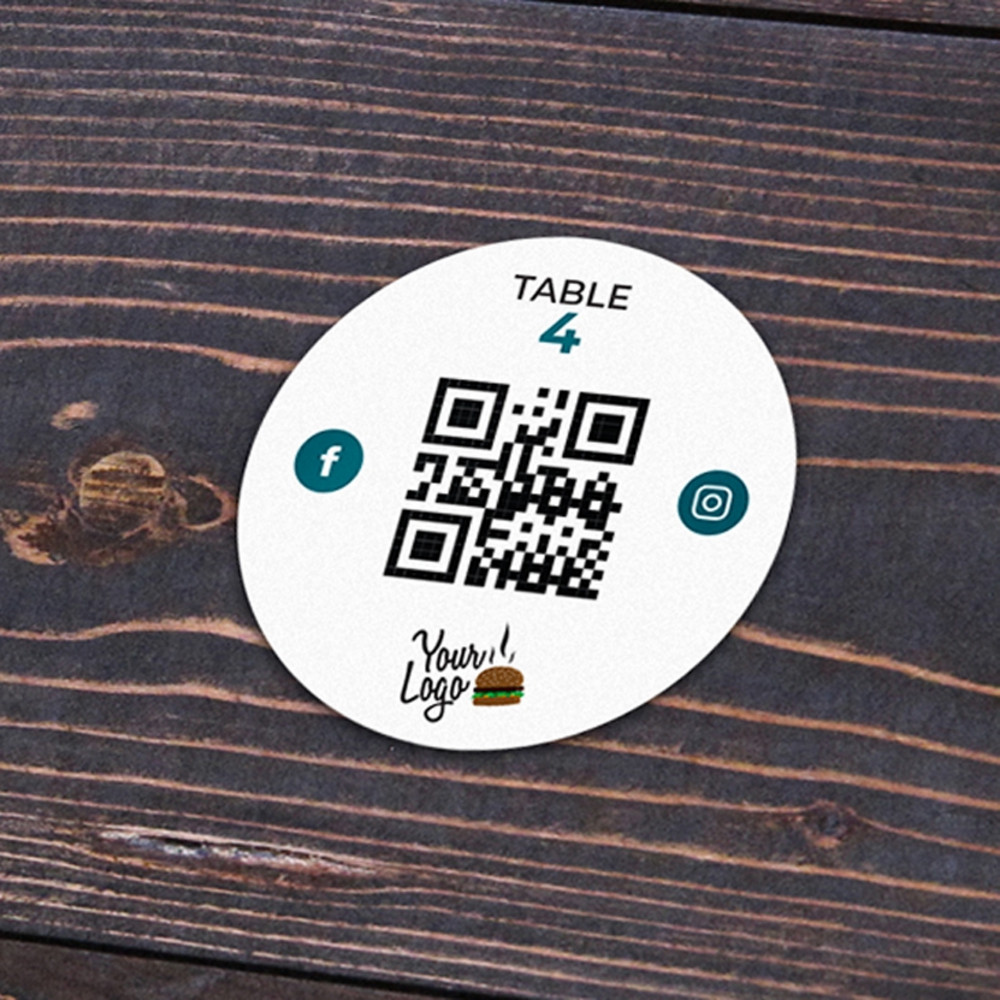
A qr code menu for restaurants is a digital menu accessed by scanning a QR code placed on tables, counters, or signage. The code links to an online menu that displays items, prices, descriptions, and sometimes images or allergen information.
Unlike traditional menus, a restaurant qr code menu can be updated instantly. If a dish is unavailable or prices change, updates take effect immediately—no reprinting required.
Benefits of QR Code Menus for Restaurants
1. Improved Hygiene and Safety
One of the biggest advantages of a qr code menu for restaurants is reduced physical contact. Guests use their own phones, which helps maintain cleanliness and customer confidence.
2. Cost Savings Over Time
Printing menus repeatedly is expensive. With a restaurant qr code menu, updates are digital, saving money on printing and design costs.
3. Faster Service and Table Turnover
Customers can view the menu immediately after sitting down. This speeds up ordering and improves overall service flow in a qr menu restaurant environment, especially for small restaurants with limited staff.
4. Real-Time Menu Updates
Restaurants can:
- Remove sold-out items
- Add daily specials
- Adjust prices instantly
This flexibility is a major reason restaurants choose QR menus.
5. Enhanced Customer Experience
A modern qr code menu for restaurants can include:
- Food images
- Dietary labels (vegan, gluten-free)
- Multiple languages
This creates a more engaging and inclusive dining experience.
How to Set Up a QR Code Menu for Restaurants
Setting up a restaurant qr code menu is simple and can be done in minutes.
Step 1: Create a Digital Menu
Start by designing your menu on a website, PDF, or menu platform. Organize it into clear categories for easy browsing. Many restaurants follow a proven process to create a QR code menu without technical complexity.
Step 2: Generate the QR Code
Use a QR code tool to link your digital menu. This creates the scannable code customers will use.
Step 3: Test the Menu
Scan the QR code on different devices to ensure fast loading, clear text, and smooth navigation.
Step 4: Print and Display
Place the QR code on:
- Tables
- Menu stands
- Walls
- Takeaway packaging
Clear placement ensures customers notice and use the qr menu restaurant easily.
Best Practices for Restaurant QR Code Menus
To maximize the value of a qr code menu for restaurants, follow these best practices:
- Use large, high-contrast QR codes
- Add simple instructions like “Scan to View Menu”
- Optimize menus for mobile screens
- Keep loading times fast
- Offer a few printed menus as backup
Many restaurants rely on a complete QR menu setup checklist to make sure nothing is missed during launch.
Examples of QR Code Menus in Restaurants
Example 1: Casual Dining Restaurants
Casual dining restaurants use restaurant qr code menus to display full menus with images and detailed descriptions, helping customers decide faster.
Example 2: Cafés and Coffee Shops
Cafés benefit from QR menus by updating seasonal drinks and daily specials instantly without reprinting boards.
Example 3: Fast Food and Quick Service
Fast-service restaurants use qr menu restaurant systems to speed up ordering and reduce queues during busy hours.
Example 4: Fine Dining Restaurants
Fine dining establishments use QR menus as a secondary option, offering elegant digital menus while keeping printed versions for guests who prefer them.
Challenges of QR Code Menus
While useful, qr code menus for restaurants have some challenges:
- Some customers prefer physical menus
- Internet connectivity is required
- Older guests may need assistance
Most restaurants solve this by combining QR menus with traditional menus.
FAQs About QR Code Menus for Restaurants
1. What is a qr code menu for restaurants? It is a digital menu accessed by scanning a QR code with a smartphone.
2. Do customers need an app to use a restaurant QR menu? No, QR menus usually open directly in a web browser.
3. Can restaurants update QR menus easily? Yes, updates are instant and do not require reprinting.
4. Are QR code menus expensive? Most qr menu restaurant solutions are affordable and save money long-term.
5. Are QR menus safe to use? Yes, when hosted on secure websites.
6. Can small restaurants use QR code menus? Absolutely. QR menus work well for restaurants of all sizes.
Conclusion: Why QR Code Menus Are Here to Stay
The qr code menu for restaurants is more than a trend—it’s a smart solution for modern dining. With benefits like cost savings, faster service, and better customer experience, QR menus help restaurants stay competitive and adaptable.
By following proper setup steps and best practices, any restaurant can successfully implement a restaurant qr code menu and meet the expectations of today’s digital-first customers.