QR Menus for Hotel Restaurants
Introduction: Why Hotel Restaurants Have Unique Menu Needs
Hotel restaurants operate differently from standalone eateries. They serve a mix of overnight guests, walk-ins, business travelers, tourists, and event attendees—often across multiple service periods and languages. Menus may change by time of day, room service rules may apply, and consistency across outlets matters.
That’s why many hotels are adopting the hotel restaurant QR menu as part of a broader hospitality digital menu strategy. QR menus help hotels streamline operations, reduce printing costs, and deliver a smoother guest experience—without sacrificing service quality.
This article explains how QR menus work in hotel restaurants, where they add the most value, and how to implement them correctly.
What Is a Hotel Restaurant QR Menu?
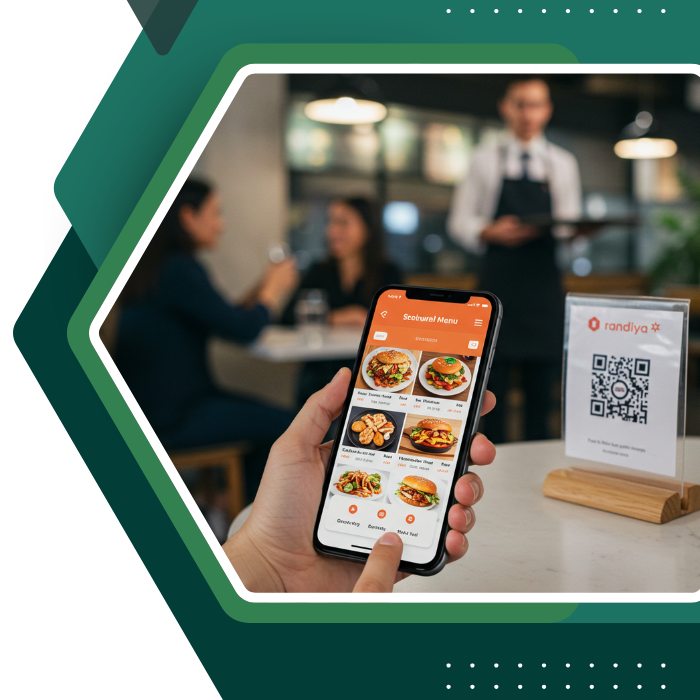
A hotel restaurant qr menu is a digital menu accessed by scanning a QR code placed on tables, room service cards, pool areas, or lobby dining spaces. It can display:
- Breakfast, lunch, and dinner menus
- Room service menus
- Bar and poolside menus
- Event or banquet menus
Unlike static printed menus, these digital menus can change instantly based on time, location, or guest needs.
Why Hospitality Digital Menus Are Ideal for Hotels
Hotels benefit from digital menus more than most restaurants because of their complexity.
Key hotel challenges include:
- Multiple menus per day
- Multilingual guests
- Frequent price and item changes
- Room service coordination
- Consistent branding across outlets
A hospitality digital menu addresses all of these at once.
Key Benefits of QR Menus in Hotel Restaurants
1. Seamless Guest Experience
Guests don’t want to wait for menus—especially in hotels where convenience is expected.
QR menus provide:
- Instant access
- No waiting for staff
- Familiar, phone-based browsing
This improves satisfaction, especially for business travelers and tourists.
2. Easy Multilingual Support
Hotels serve international guests daily.
QR menus can:
- Offer multiple languages
- Switch language instantly
- Avoid printing separate menus
This makes the hotel restaurant qr menu especially valuable in tourist destinations.
3. Time-Based Menus Without Confusion
Hotels often change menus by time of day.
Examples
- Breakfast menu in the morning
- All-day dining menu
- Late-night or bar menu
Digital menus can switch automatically, preventing guests from seeing outdated options.
4. Room Service Integration
QR menus work perfectly for room service.
Guests can:
- Scan from their room
- View room service-only items
- See delivery times and policies
This reduces calls to the front desk and improves order accuracy.
5. Reduced Printing and Waste
Hotels reprint menus frequently due to:
- Seasonal changes
- Pricing updates
- Branding refreshes
QR menus dramatically reduce printing costs and support sustainability goals—an important part of modern hospitality digital menu strategies.
6. Consistency Across Hotel Outlets
Hotels often have:
- Lobby restaurants
- Bars
- Poolside service
- In-room dining
QR menus ensure all menus stay aligned, reducing guest confusion and staff errors.
QR Menus for Hotel Events and Banquets
Hotels host:
- Conferences
- Weddings
- Corporate events
QR menus make it easy to:
- Create event-specific menus
- Activate them only during the event
- Make last-minute changes
This flexibility is hard to achieve with printed menus.
Best Practices for Hotel Restaurant QR Menus
To succeed, hotels should follow these guidelines:
Design & Usability
- Mobile-first layout
- Large, readable text
- Simple category structure
Placement
- Tables
- Room service cards
- Poolside signs
- Event spaces
Operations
- Assign one person to manage updates
- Test menus on hotel Wi-Fi and mobile data
- Keep a few printed menus for accessibility
Following a complete QR menu setup checklist helps prevent issues across departments and outlets.
Common Mistakes Hotels Should Avoid
Avoid these pitfalls:
- Removing printed menus entirely
- Using slow or poorly hosted menu pages
- Overcomplicating designs
- Forgetting multilingual needs
- Failing to update menus consistently
Most issues come from execution—not the concept itself.
How QR Menus Improve Staff Efficiency
Hotel staff benefit significantly from QR menus:
- Fewer repetitive menu questions
- Less time distributing menus
- Reduced order errors
- Easier handling of sold-out items
This is especially important during peak check-in and dining hours—and mirrors the benefits seen in restaurants with limited staff.
Guest Perception: Do Hotel Guests Like QR Menus?
Most hotel guests:
- Expect digital convenience
- Appreciate fast access
- Prefer QR menus when well designed
Complaints usually stem from poor design or lack of alternatives—not from QR menus themselves.
Accessibility and Backup Options
A strong hotel restaurant qr menu strategy always includes:
- Printed menus on request
- Clear staff assistance
- Readable fonts and contrast
Accessibility improves the experience for everyone.
FAQs About QR Menus for Hotel Restaurants
1. Are QR menus suitable for luxury hotels? Yes—when used as an option, not a replacement.
2. Can QR menus handle room service? Yes, they’re ideal for room service menus.
3. Do hotel guests expect digital menus? Increasingly, yes—especially business and international travelers.
4. Should hotels remove printed menus completely? No. Hybrid systems work best.
5. Are QR menus hard to manage across multiple outlets? No—centralized updates make management easier.
6. Do QR menus reduce costs for hotels? Yes, especially printing and update costs.
Conclusion: A Natural Fit for Modern Hospitality
Hotel restaurants need flexibility, speed, and consistency—and QR menus deliver all three. A well-implemented hotel restaurant qr menu supports guests across dining rooms, rooms, and events while reducing operational strain.
As part of a broader hospitality digital menu approach, QR menus help hotels modernize service without losing the personal touch. When executed thoughtfully—starting when hotels create a QR code menu—they enhance both guest experience and operational efficiency, making them a natural fit for today’s hotels.