Are QR Code Menus Good or Bad for Restaurants?
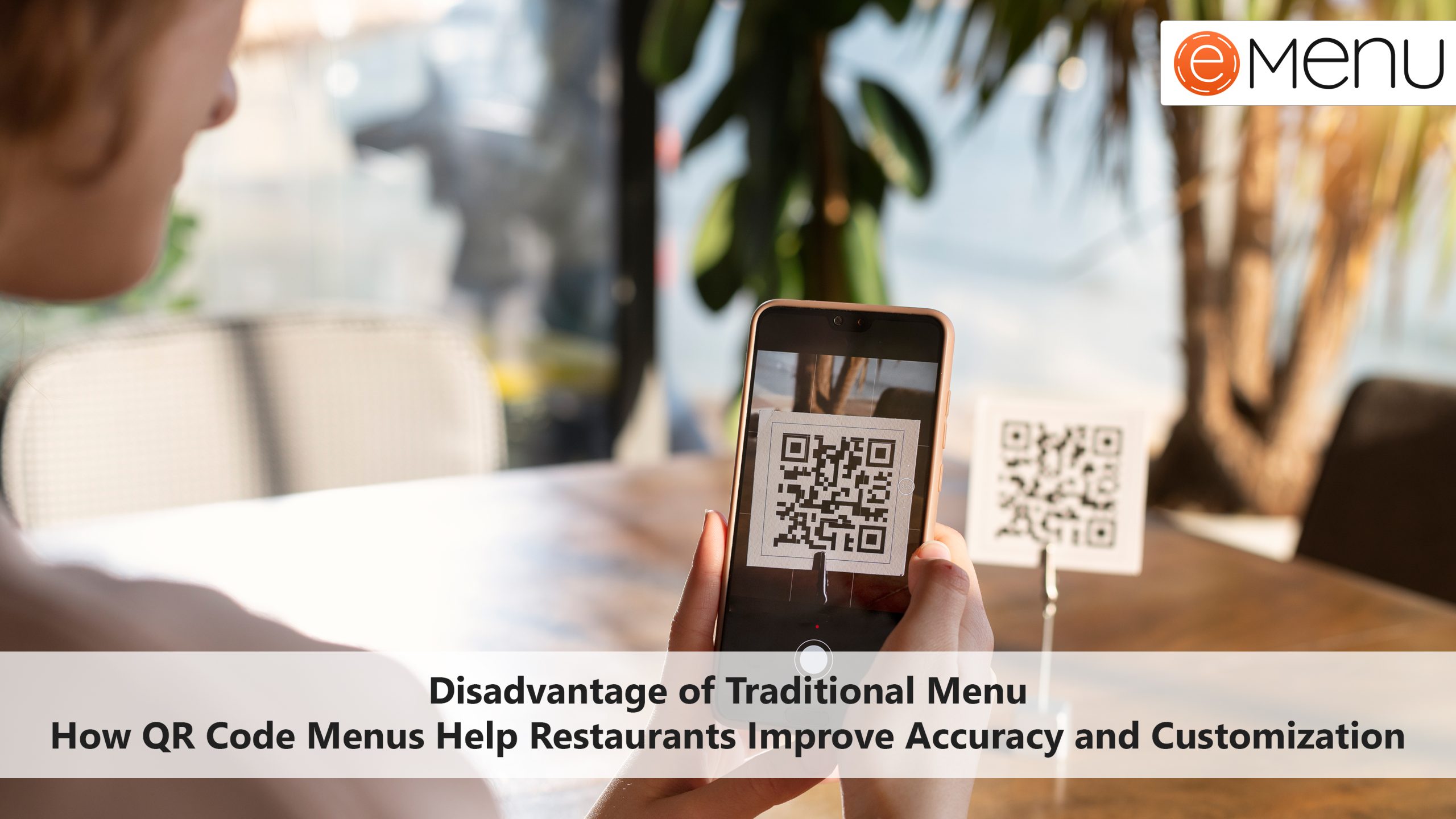
Introduction: The Debate Around QR Code Menus
Many restaurant owners and customers ask the same question: are QR code menus good, or do they create more problems than benefits? QR menus have become common in restaurants worldwide, changing how diners view menus and how staff manage service.
While some praise QR menus for speed and convenience, others criticize them for usability and accessibility issues. This article takes a balanced look at QR menus’ pros and cons, helping you understand when QR menus work well—and when they don’t.
What Are QR Code Menus?
A QR code menu is a digital menu that customers access by scanning a QR code with their smartphone. The code opens a menu in a web browser, displaying food items, prices, and descriptions. Some QR menus also allow for ordering and payment, enhancing the dining experience. Understanding how they work is key to answering whether QR code menus are good for restaurants.
Why Restaurants Use QR Code Menus
Restaurants adopt QR menus to modernize operations and meet changing customer expectations. Key reasons include:
- Reduced printing costs: By eliminating the need for physical menus, restaurants can save significantly on printing expenses.
- Faster menu updates: Price changes, sold-out items, or daily specials can be updated instantly without reprinting, allowing for greater flexibility. This aspect is particularly beneficial for restaurants with frequently changing menus, which is discussed further in our article on how QR menus help prevent menu errors.
- Contactless service: Especially important post-pandemic, QR codes facilitate a more hygienic dining environment by minimizing physical contact.
- Improved efficiency: Staff can focus on providing service rather than handling menus, speeding up operations and enhancing customer satisfaction.
However, these benefits only tell part of the story, as the reception of QR menus hinges on various factors, including the restaurant's clientele and location.
QR Menus Pros and Cons Explained
Pros of QR Code Menus
1. Cost Savings
Restaurants save money by eliminating frequent menu printing. Over time, this is one of the strongest arguments for whether QR code menus are beneficial for business operations.
2. Faster Menu Updates
Price changes, sold-out items, or daily specials can be updated instantly without the need for reprinting, thereby allowing establishments to maintain accurate information effortlessly.
3. Improved Hygiene
Customers use their own devices, which reduces shared contact with menus and contributes to a cleaner dining environment.
4. Faster Service
Guests can view the menu immediately after being seated, which can speed up ordering and enhance table turnover—an important factor for busy restaurants. To learn more about this, check out our insights on how QR menus speed up table turnover.
5. Enhanced Menu Content
QR menus can include images, allergen information, links to wine pairings, and even multiple languages, catering to a diverse range of diners. This capability often increases average order value, as discussed in our article on how QR menus increase average order value.
QR Menu Disadvantages
Despite their benefits, it is essential to consider the disadvantages of QR code menus. Understanding these aspects helps restaurants strategize better.
1. Technology Barriers
Not all customers are comfortable using smartphones, especially older guests. This can limit engagement with QR menus, alienating sections of the clientele who prefer a traditional experience.
2. Internet Dependence
QR menus rely on a stable internet connection; poor connectivity can lead to customer frustration. In fact, some restaurant locations may struggle with consistent internet access, complicating the implementation of a digital menu.
3. Accessibility Issues
Small screens, glare, or low phone battery can make QR menus harder to read and less user-friendly for some diners.
4. Loss of Traditional Experience
Some diners prefer holding a physical menu and browsing without a screen. For these patrons, the tactile experience of flipping through a menu can enhance their dining enjoyment.
5. Customer Resistance
A portion of customers simply dislikes QR menus, primarily due to a preference for data privacy or unfamiliarity with technology. Addressing these concerns is crucial for maintaining customer satisfaction.
Are QR Code Menus Good for All Restaurants?
The answer depends on the type and kind of restaurant involved. Here are scenarios where QR menus thrive and where they may struggle:
Restaurants Where QR Menus Work Well
- Casual dining establishments
- Cafés and coffee shops, where quick service is paramount
- Fast food or quick-service outlets that often update their menus
- Restaurants that frequently change their offerings, making digital flexibility a key advantage
Restaurants Where QR Menus May Struggle
- Fine dining restaurants with an older clientele, who may prefer traditional service methods
- Locations in areas with poor internet access, where QR codes may not function effectively
- Restaurants that emphasize traditional service and ambiance may find that a digital menu detracts from the overall experience
In these cases, QR menus work best as an optional feature rather than the exclusive option, allowing diners to choose their preferred method.
Hybrid Approach: The Best of Both Worlds
Many restaurants solve the debate around QR code menus by offering both QR and printed menus. This hybrid approach:
- Satisfies all customer preferences, accommodating both tech-savvy and traditional diners
- Reduces printing costs while still providing a backup option for those who prefer physical menus
- Maintains accessibility for all customers, ensuring no one is left behind
- Minimizes complaints about the lack of traditional menus, which can lead to better customer retention
A hybrid menu strategy can often deliver the best results, appealing to a wide range of customer preferences while leveraging the benefits of technology.
Impact on Customer Experience
Customer experience with QR menus depends heavily on how well they are implemented. Clear instructions, fast-loading pages, and clean, intuitive design make QR menus helpful for diners. On the contrary, poor execution—like slow-loading pages or complicated navigation—can increase frustration and highlight the disadvantages of QR menus.
FAQs About QR Code Menus
1. Are QR code menus good for customers?
They are convenient for many customers but may not be ideal for everyone, particularly those less familiar with technology.
2. What are the main QR menu pros and cons?
Pros include cost savings and flexibility; cons include accessibility and dependency on technology.
3. Do QR menus replace printed menus completely?
Not always; many restaurants maintain printed menus as a backup to accommodate all preferences.
4. Are QR menu disadvantages a deal-breaker?
No, but they should be addressed through good design and maintaining alternative options.
5. Do customers prefer QR menus or printed menus?
Preferences vary by age, comfort with technology, and individual dining style.
6. Are QR menus here to stay?
Yes, but most restaurants are likely to use them alongside traditional menus for a comprehensive approach.
Conclusion: Are QR Code Menus Good or Bad?
So, are QR code menus good for restaurants? The answer is yes—but not for everyone and not in every situation. QR menus offer strong benefits in cost savings, speed, and flexibility. At the same time, the disadvantages of QR menus, including accessibility issues and customer resistance, cannot be ignored.
The most successful restaurants use QR menus intentionally and thoughtfully, often alongside printed options. When implemented correctly, QR menus can be a powerful tool for improving efficiency without sacrificing the dining experience; they work best as part of a balanced, customer-focused approach. For those looking to explore their options further, our article on QR code menus for restaurants: benefits, setup, and examples provides additional insights.
As businesses navigate this digital age, ensuring that every guest's needs are met will ultimately lead to a more successful dining experience. If you are still on the fence about QR code menus, our insights on when QR menus are not the right choice might help clarify your concerns. For those still uncertain about shifting from traditional menus, explore the common pitfalls in our post about the biggest QR menu mistakes restaurants make.