Why Some Restaurants Abandon QR Menus
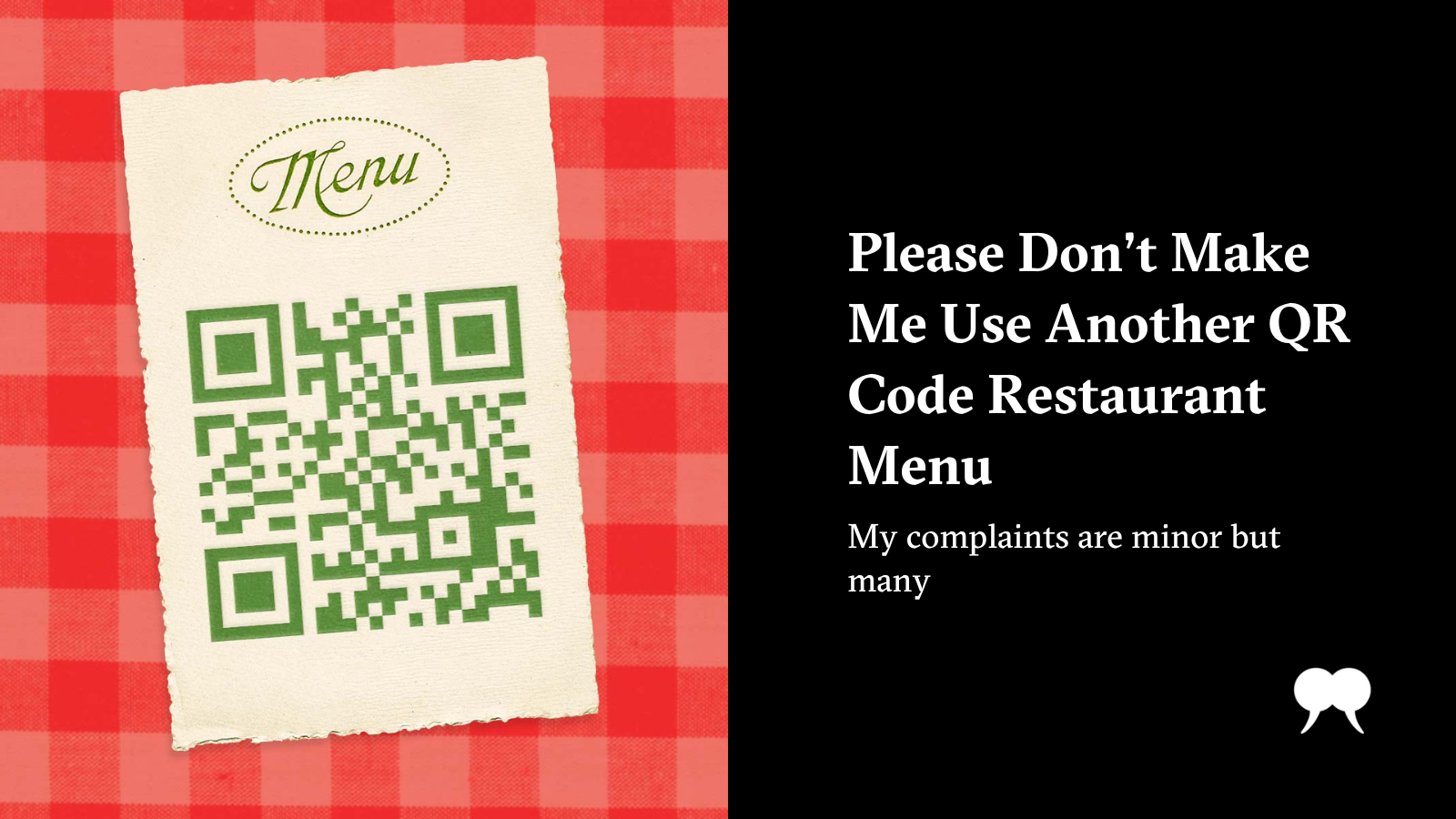
Introduction: The QR Menu Backlash
QR menus spread rapidly across the restaurant industry, especially during times when contactless dining became essential. For many businesses, they delivered real benefits—lower costs, faster updates, and modern presentation. However, over time, not every restaurant remained satisfied with this digital solution.
Today, a growing number of owners and guests argue that QR menus can be detrimental for restaurants in specific situations. This rise in QR menu complaints has led several establishments to scale back or completely abandon QR menus in favor of other solutions—often without fully understanding how QR menus help prevent menu errors and how it should be implemented correctly.
This article explains why some restaurants walk away from QR menus, what problems they face, and how to decide whether QR menus still make sense for your business.
The Most Common QR Menu Complaints
While QR menus themselves aren’t inherently problematic, poor execution usually leads to numerous complaints that span the spectrum of guest experiences.
1. Customers Don’t Want to Use Their Phones
One of the loudest QR menu complaints is simple resistance, as many guests express a desire for a break from screens. This reluctance manifests in various ways:
- They prefer a physical menu instead of using their personal devices.
- They may have limited battery life or might not have their phones available.
- Some guests yearn for authentic dining experiences that don’t involve screen time.
For these customers, QR menus feel more like an inconvenience than a helpful tool, making it clear that not every restaurant can rely on them universally.
2. Accessibility Issues Exclude Some Guests
Accessibility stands out as another major reason people believe QR menus can be detrimental for restaurants. Many guests encounter common issues:
- Small text that is hard to read on mobile devices.
- Poor contrast between text and background.
- Difficulty navigating through lengthy menus by scrolling.
- Incompatibility with screen readers, making it tough for visually impaired guests.
These challenges primarily affect older adults and those with visual or motor difficulties, especially when restaurants overlook fundamentals outlined in a common QR menu myths debunked.
3. Slow or Unreliable Internet
QR menus hinge entirely on consistent connectivity. When connectivity fails, various problems ensue:
- Pages may load slowly, creating frustration among diners.
- Menus might not open at all—a major turnoff for impatient customers.
- Guests could give up and wait for staff to bring them a physical menu.
In regions with weak Wi-Fi or spotty mobile signals, QR menus can significantly impede service, leading to escalating complaints and dissatisfaction.
4. Bad Design Creates Frustration
Many QR menu complaints stem from poor menu user experience (UX) design. Specific examples of bad design include:
- Excessive scrolling that makes it challenging to locate desired items.
- Cluttered layouts that confuse diners.
- Tiny fonts that are hard to read, especially for older guests.
- Hard-to-find pricing that can lead to misunderstandings.
When menus are challenging to use, customers often blame the QR menu itself rather than recognizing underlying design flaws.
When QR Menus Are Bad for Restaurants
QR menus aren’t universally bad; however, specific situations highlight their shortcomings.
1. Fine Dining and Experience-Focused Restaurants
In fine dining settings, the overall atmosphere plays a vital role in the guest experience. Here’s why QR menus tend to fail:
- The use of phones can break the intended mood of sophistication.
- Guests often expect personal service and interaction with staff.
- Printed menus contribute to a more luxurious experience that aligns with guest expectations.
In these atmospheres, numerous owners conclude that QR menus can be counterproductive to their dedication to creating a memorable experience.
2. Restaurants With Older Clientele
Establishments catering predominantly to older guests usually observe greater resistance to QR menus. Common outcomes include:
- Many guests insist on receiving printed menus anyway.
- Staff spend extra time assisting confused customers.
- Frustration often replaces the intended convenience of a digital system.
For these businesses, QR menus may inadvertently add more work rather than save time and resources.
3. Busy Venues Without Good Wi-Fi
Fast-paced venues, such as bars, stadiums, and crowded restaurants, often struggle with reliable connectivity. When QR menus fail during peak times, the consequences are immediate:
- Customer lines slow down, leading to dissatisfaction among waiting guests.
- Servers become overwhelmed as they try to manage both technology issues and orders.
- Complaints increase, damaging the restaurant's reputation.
This scenario is a leading reason why QR menus find themselves abandoned.
Staff Feedback: An Overlooked Factor
It's crucial to recognize that not all QR menu complaints originate from customers. Staff members experience the ramifications of implementation as well:
Common Staff Issues
- Frequent explanations of QR menus.
- Troubleshooting phone problems for guests.
- Handling frustrated customers who fail to navigate the system.
When employees are focused on resolving tech issues rather than delivering exceptional service, management may start questioning the overall efficiency of the QR menu system.
QR Menus vs Customer Expectations
Many restaurants introduced QR menus swiftly without preparing guests or adhering to best practices for how restaurants update menus instantly without reprinting. The mismatched expectations can result in:
- Customers anticipating simplicity and efficiency.
- Instead, they face frustrating friction in the ordering process.
This expectation mismatch is why some owners conclude that QR menus are detrimental to restaurants when guests’ needs aren’t met.
What Restaurants Learn Before Abandoning QR Menus
Most establishments won’t abandon QR menus overnight; they typically seek fixes first. Common attempts include:
- Redesigning the menu for improved user experience.
- Enhancing Wi-Fi to promote seamless connectivity.
- Adding instructions prominently to assist customers.
- Training staff on how to support guests using the QR system effectively.
If complaints continue despite these efforts, the eventual removal of QR menus becomes a viable option.
What Restaurants Replace QR Menus With
Restaurants that abandon QR menus usually replace them with one of several options:
- Printed menus, either full or limited editions.
- Hybrid menus that include both QR codes and printed options for diners.
- Tablet menus that allow customers to browse digitally at their tables.
- Digital menu boards, appealing to both tech-savvy and traditional diners.
Hybrid solutions are particularly popular among do customers hate QR code menus as they provide flexibility while minimizing customer friction.
Are QR Menus Always Bad for Restaurants?
No, overall QR menus aren't categorically bad for restaurants. They can thrive under the right circumstances, specifically when:
- Menus are well-designed and user-friendly.
- Wi-Fi connections are reliable to avoid frustrating delays.
- Printed menus are available as backup in case of tech failure.
- Customers display comfort with technology.
Without these factors in play, however, complaints regarding QR menus can escalate rapidly.
How Restaurants Can Avoid QR Menu Failure
To prevent reaching the stage where QR menus may be considered detrimental for restaurants, it’s essential to focus on key aspects:
- Simple, readable design that accommodates all guests.
- Fast-loading pages to enhance the user experience.
- Clear instructions for navigating the menu.
- Robust accessibility features tailored to diverse needs.
- Reliable backup options, such as printed menus, to avoid inconveniences during technical failures.
Most failures result from neglecting these foundational elements, which can ultimately enhance customer satisfaction.
FAQs About QR Menu Complaints
- Why do customers complain about QR menus? They often dislike using their phones, poor design, or encounter technical challenges.
- Are QR menus bad for restaurants overall? No, but they can be problematic if implemented poorly.
- Do older customers dislike QR menus more? Yes, complaints are notably higher among older guests.
- Should restaurants completely remove QR menus? Not always—many establishments benefit from hybrid solutions.
- Are printed menus making a comeback? Some restaurants are returning to printed menus, especially after QR menus failed to meet expectations.
- Can QR menu complaints be fixed? Yes, frequently through improved design and accessibility features.
Conclusion: QR Menus Are a Tool—Not a Rule
The belief that QR menus are universally bad for restaurants isn’t entirely accurate—but it isn’t completely wrong either. The success or failure of QR menus hinges on context, execution, and aligning with customer expectations.
Restaurants often abandon QR menus when complaints outweigh the perceived benefits. The most astute operators treat QR menus as just one tool among many, rather than a mandatory replacement for traditional methods.
In the end, successful hospitality transcends technology—it revolves around making guests feel comfortable and valued. Any menu system that loses sight of this fundamental principle will find itself facing decline, be it QR-based or otherwise.